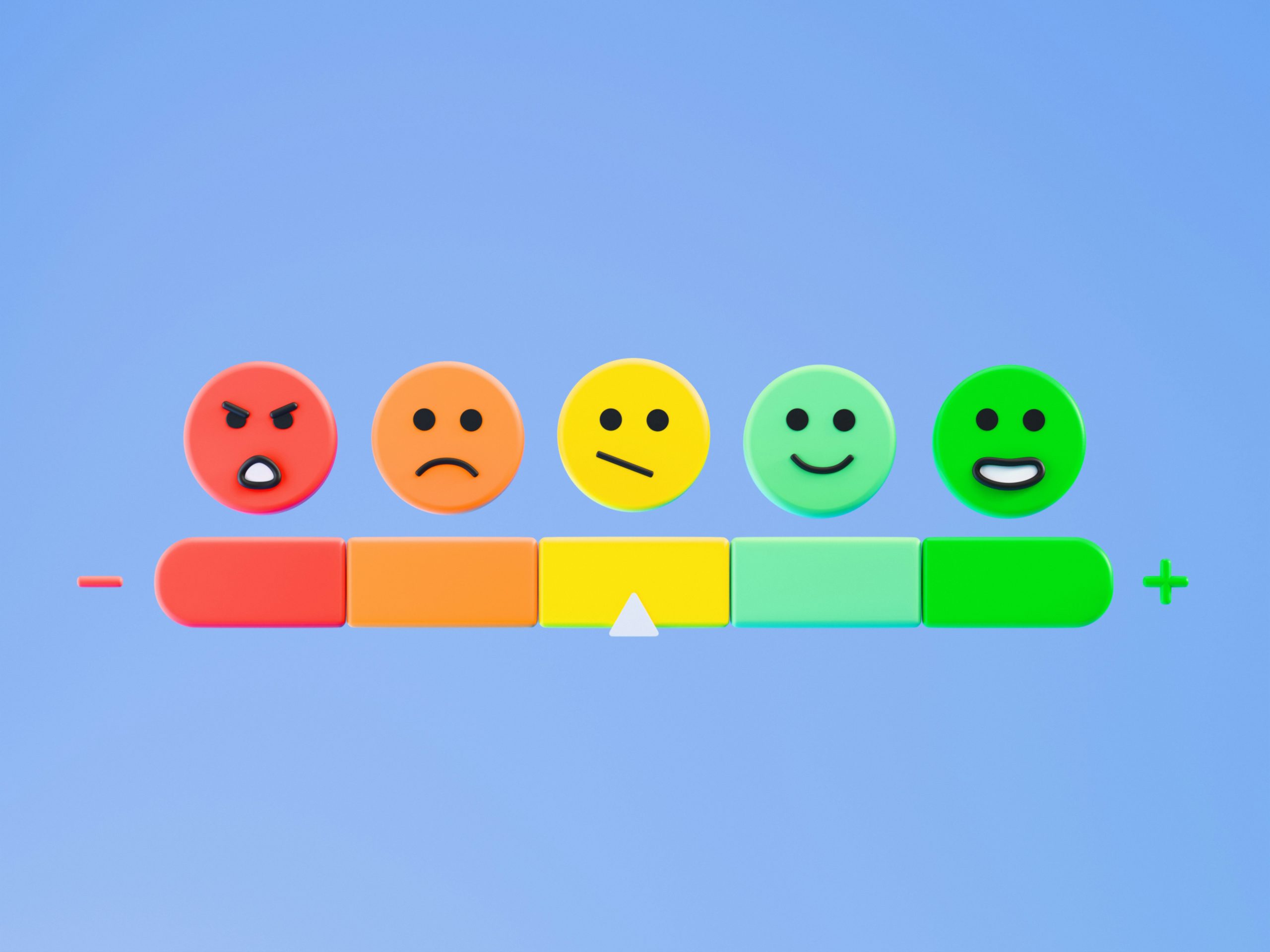
Once people begin to understand themselves more clearly, something interesting happens.
Emotions become harder to ignore.
Self-awareness tends to bring feelings to the surface. Frustration about work. Excitement about certain ideas. A quiet sense that something in life is slightly off.
Many people interpret these emotions as problems that need to be controlled or suppressed.
But emotions are rarely the enemy.
More often, they are signals.
Why Emotions Feel So Complicated
Most people were never taught how to interpret emotions. Instead, they were taught how to manage them.
Stay calm.
Don’t overreact.
Keep your feelings under control.
Those lessons are useful in certain situations, but they leave out something important.
Emotions are information.
They tell us when something matters, when something feels wrong, when something aligns with who we are, and when something does not.
Ignoring that information makes direction harder to find.
Emotions Are Signals, Not Instructions
One reason emotions create confusion is that people treat them as commands.
If something feels uncomfortable, the instinct may be to avoid it. If something feels exciting, the instinct may be to chase it immediately.
But emotions are not instructions.
They are signals.
Frustration might be pointing toward a problem worth solving. Anxiety might reveal uncertainty that needs attention. Excitement often highlights areas where curiosity and interest are already present.
The goal is not to obey every emotion.
The goal is to understand what it might be trying to reveal.
What Emotions Often Reveal
When people begin paying attention, patterns start to appear.
Certain situations create energy. Others drain it.
Some problems feel engaging even when they are difficult. Others feel exhausting even when they are simple.
Emotions help reveal these patterns.
For example:
- Frustration can highlight areas where you care more deeply than you realized
- Curiosity often appears where learning feels natural
- Boredom sometimes signals that something no longer fits who you are becoming
- Satisfaction tends to follow work that aligns with your interests or values
These emotional responses are not random.
They are clues about direction.
Learning to Listen Without Overreacting
Understanding emotions does not mean letting them control every decision.
Instead, it means observing them with curiosity.
Curiosity allows you to notice emotional signals without immediately reacting to them.
Ask questions such as:
- Why did that situation affect me so strongly?
- What exactly created that excitement or frustration?
- Is this feeling pointing toward something I care about?
Over time, this habit becomes incredibly useful.
Emotions stop feeling like unpredictable obstacles and start functioning as feedback.
They help reveal what matters.
The Role of Emotions in Discovery
Within the Growth Compass framework, this stage belongs to Discovery — the eastern direction where new signals and possibilities first appear.
Discovery is not just about exploring ideas in the outside world. It also includes learning how your internal signals respond to those experiences.
Self-awareness reveals who you are.
Emotions help you understand how different parts of life interact with that identity.
Together, they create a clearer picture of where energy naturally flows.
Once emotional signals become easier to recognize, another kind of awareness begins to develop — the ability to notice opportunities that others miss.
Not sure where you are in the cycle?
The Growth Compass Quiz takes 5 minutes and shows you which direction your energy is pointing right now.
→ Next: Awareness of Opportunity
Leave a Reply